Nasha Mukti Kendra:
Your Complete Guide to Addiction Recovery Centers in India
What is a Nasha Mukti Kendra?
A Nasha Mukti Kendra is a specialized rehabilitation center dedicated to helping individuals overcome substance abuse and addiction. These centers provide comprehensive treatment programs that combine medical expertise, psychological support, and therapeutic interventions to help patients achieve lasting recovery. Through a structured environment and professional guidance, these centers create a foundation for individuals to rebuild their lives free from addiction.
The Nasha Mukt Bharat Abhiyaan Initiative The Nasha Mukt Bharat Abhiyaan is a groundbreaking national campaign aimed at creating a drug-free India. This comprehensive initiative actively engages youth, women, and community members, with a special focus on higher education institutions and youth organizations. The program coordinates efforts between various stakeholders, including government departments, law enforcement, healthcare providers, and NGOs, to create a unified approach to combat substance abuse.
Treatment Process at Nasha Mukti Kendra
1.)
Initial Assessment and Evaluation When patients first arrive at a Nasha Mukti Kendra, they undergo a thorough medical and psychological evaluation. This crucial step helps medical professionals understand the extent of addiction, identify any co-existing mental health conditions, and develop a personalized treatment plan. The assessment typically includes blood work, physical examination, and detailed interviews about addiction history.
2.)
Medically-Supervised Detoxification The detoxification phase is carefully monitored by medical professionals who manage withdrawal symptoms and ensure patient safety. During this period, patients receive appropriate medications to ease withdrawal discomfort while their bodies clear of toxic substances. The duration of detox varies depending on the type and severity of addiction.
3.)
Comprehensive Rehabilitation Program Following detoxification, patients enter the rehabilitation phase, which includes:
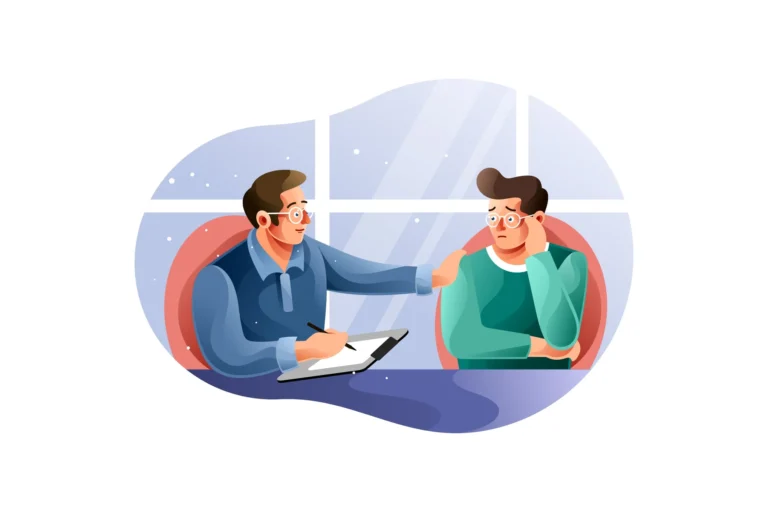
a) Individual Counseling One-on-one sessions with trained therapists help patients understand their addiction triggers, develop coping mechanisms, and address underlying emotional issues. These sessions provide a safe space for personal growth and healing.
b) Group Therapy Patients participate in group sessions where they share experiences, learn from others, and develop crucial social support networks. These sessions help break the isolation often associated with addiction and foster a sense of community.
c) Family Counseling Family involvement is crucial for long-term recovery success. Centers provide education and counseling to family members, helping them understand addiction and learn how to support their loved one’s recovery journey.
Holistic Treatment Approaches
- Mind-Body Healing Centers incorporate yoga, meditation, and mindfulness practices to promote overall wellness. These practices help patients manage stress, reduce anxiety, and develop healthy coping mechanisms for maintaining sobriety.
- Life Skills Training Patients learn essential life skills including:
- Stress management techniques
- Communication skills
- Financial planning
- Career development
- Healthy lifestyle choices
- Relapse Prevention A crucial component of treatment focuses on identifying triggers and developing strategies to prevent relapse. Patients learn to recognize warning signs and build a strong support network for maintaining long-term sobriety.
Success Rates and Recovery Statistics

Treatment success rates vary depending on several factors:
- Program completion rates
- Length of stay in treatment
- Quality of aftercare support
- Individual commitment to recovery
- Family support system strength
Studies show that patients who complete the full rehabilitation program and actively participate in aftercare have significantly higher chances of maintaining long-term sobriety. Success indicators include:
- Sustained abstinence from substances
- Improved physical and mental health
- Restored family relationships
- Employment stability
- Enhanced quality of life
Advanced Treatment Methodologies
- Cognitive Behavioral Therapy (CBT) CBT helps patients identify and change negative thought patterns and behaviors associated with substance use. This evidence-based approach includes:
- Trigger identification
- Coping skill development
- Problem-solving strategies
- Relapse prevention techniques
- Motivational Enhancement Therapy This approach strengthens motivation for positive change through:
- Goal setting exercises
- Progress monitoring
- Positive reinforcement
- Self-efficacy building
- Dialectical Behavior Therapy (DBT) DBT helps patients manage emotions and improve relationships through:
- Mindfulness training
- Emotional regulation
- Interpersonal effectiveness
- Distress tolerance skills
Post-Rehabilitation Care
- Aftercare Programs Comprehensive aftercare support includes:
- Regular check-ins
- Support group meetings
- Ongoing counseling
- Family therapy sessions
- Relapse prevention workshops
- Community Integration Centers assist with:
- Employment opportunities
- Educational pursuits
- Housing support
- Social reintegration
- Life skills application
Common Challenges During Recovery
Physical Challenges:
- Managing withdrawal symptoms
- Restoring physical health
- Addressing sleep issues
- Improving nutrition
- Building strength and stamina
Emotional Challenges:
- Processing guilt and shame
- Managing anxiety and depression
- Rebuilding self-esteem
- Dealing with past trauma
- Developing emotional resilience
Social Challenges:
- Repairing relationships
- Building new social networks
- Avoiding triggers
- Improving communication
- Setting boundaries
Emergency Intervention Services
24/7 Support
- Crisis helpline access
- Emergency medical care
- Immediate intervention
- Family support services
- Transportation assistance
Making the Decision to Seek Help
Recognition Signs:
- Acknowledging addiction
- Understanding treatment needs
- Accepting professional help
- Securing family support
- Committing to change
Taking Action:
- Research treatment options
- Contact reputable centers
- Schedule assessments
- Arrange finances
- Begin the recovery journey
Contact Information:
National Toll-free Deaddiction Helpline: 14446 Available 24/7 for:
- Emergency assistance
- Treatment information
- Center referrals
- Family support
- Crisis intervention
Your Journey to Recovery Remember, seeking help is a sign of strength, not weakness. Professional treatment at a Nasha Mukti Kendra can provide the support, structure, and guidance needed for successful recovery. Take the first step today toward a healthier, addiction-free life.
Ready to take the next step?
Fill out this simple form and we’ll call you right back.
— Contact a Professional Nasha Mukti Kendra.